Forestry Program
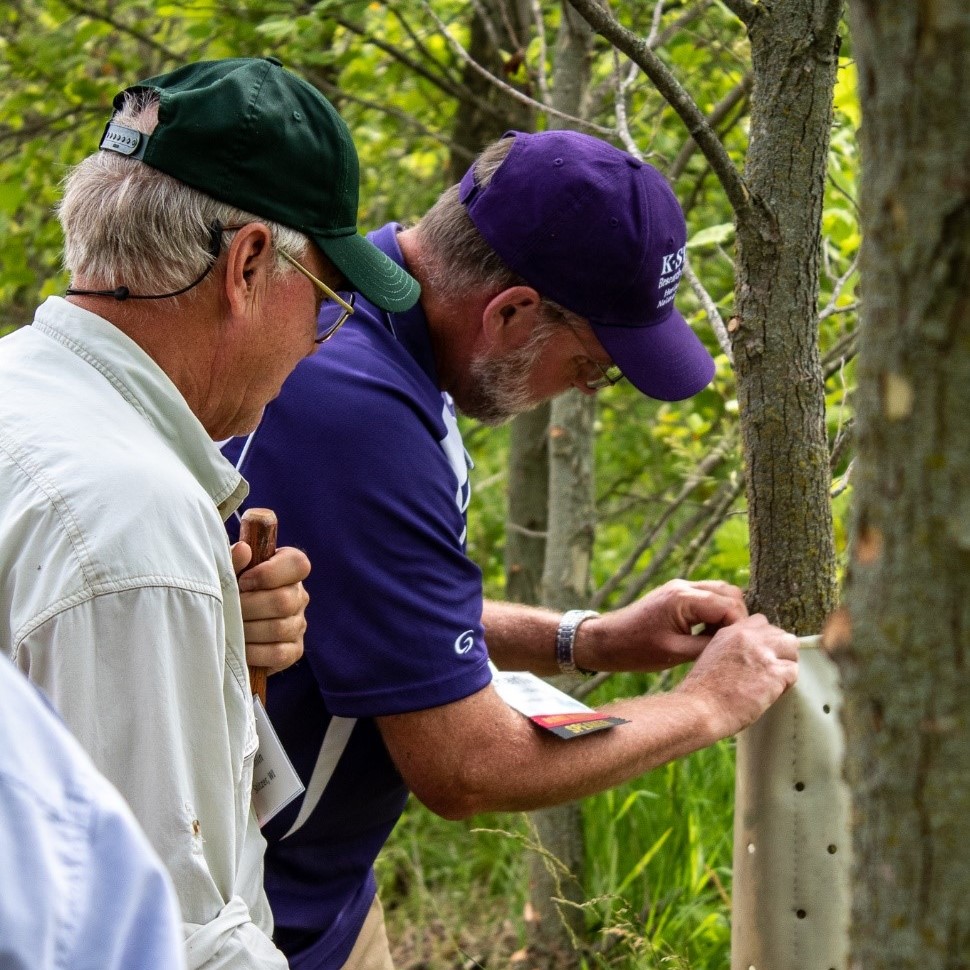
The K-State Research and Extension Forestry program conducts numerous outreach and educational events each year, held in cooperation with county extension agents and Kansas Forest Service (KFS) staff. Our team of experts focus on conducting applied research using trees to solve environmental problems, including streambank stabilization, riparian buffers, phytoremediation, windbreaks and bioenergy.
A unique facet of the program is the close relationship it has with the state’s Native American community, including the four tribes with reservations in Kansas and Haskell Indian Nations University. Many projects have been jointly led by Haskell and the Forestry program area.
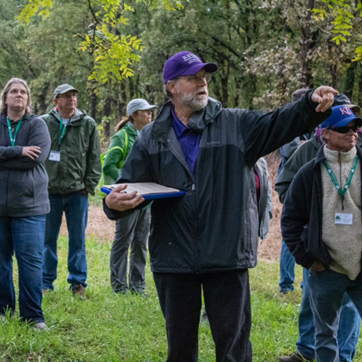
The Prairie Band Potawatomi Nation in particular has sought out Extension advice on several issues, ranging from bison management andsustainability of fuel wood harvests to fruit orchard management and vegetable production.
The program also works closely with the Kansas Forestry Association, a 501(c)3 organization on the development of genetically selected black walnut and bur oak seed orchards, situated at the Geyer Forestry Research Center. This seed is being distributed through the KFS Conservation Tree Planting Program.
Resources
Below are helpful resources and publications relating to forestry. If you have a specific question, please contact your local extension office or reach out to one of our specialists.
Learn more about the important work being done through the Kansas Forest Service. Learn more about invasive species, emerging threats and plant identification from our horticulture and forestry experts. In Kansas, riparian forests serve as excellent wildlife habitat and support many game and nongame species of mammals, fish, amphibians, reptiles and birds. They serve as travel corridors linking rivers, wetlands, and larger blocks of forestlands. Learn more about best practices and management tools for riparian buffers. The K-State Extension Soil Testing Lab is a not-for-profit organization providing high quality analysis of soil, plant, forage, grain and water for farmers, homeowners and researchers. Windbreaks provide essential woody cover, especially in areas where no native woodlands exist. The benefits of windbreaks are a direct result of tree and shrub plantings designed to reduce wind speed. Stay up-to-date on the latest news, events and activities by subscribing to our newsletter Be sure to check out our most recent news and listen to forestry-related topics on the Kansas Canopy podcast. The Kansas Forest Service agency serves rural landowners, communities, rural fire districts, forest and arboriculture industries and citizens of the state through its Conservation Tree and Shrub Planting, Fire Management, Community Forestry, Rural Forestry, Marketing and Utilization and Forest Health programs.
Programs and Events
Our annual events provide hands-on learning experiences to Kansans. Contact your local extension office for upcoming classes in your community.
Kansas Forest Service Resources Kansas Forest Service Upcoming Events Kansas Forest Service Event Request Form