Understanding forage value of Kansas CRP grasslands
K-State research shows seasonal variation in nutrient quality, guiding producers toward smarter grazing decisions
At a glance: K-State researchers are reporting findings indicating that nutrient levels in CRP grasses fluctuate widely by season and region, underscoring the importance of testing and timing when incorporating CRP forage into cattle diets.
More information: Jason Warner, 785-532-1460, jasonwarner@ksu.edu
Related: Summer Annual Forages: Selection and Production Characteristics | Forage Sampling Procedures and Equipment | Small Grain Cereals for Forage
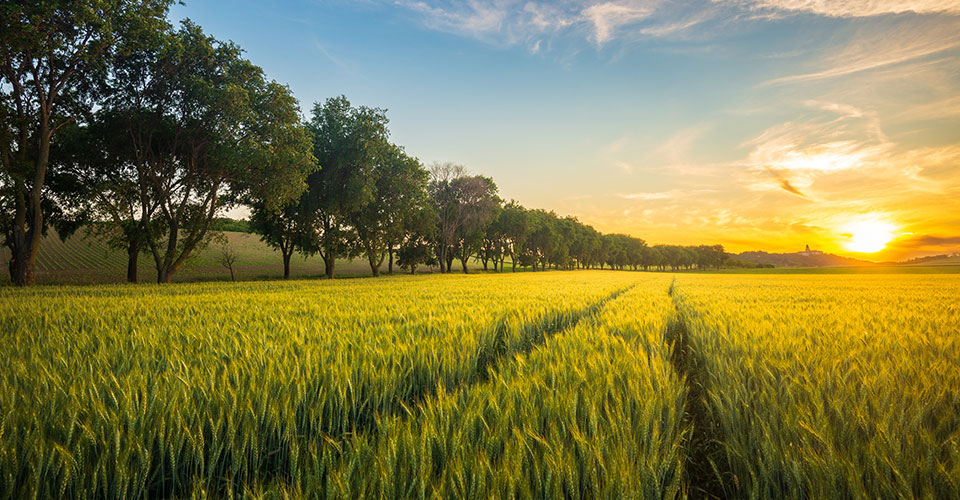
K-State researchers are studying factors to consider when using lands held under the Conservation Reserve Program for forage.
Oct. 20, 2025
By Chevy-Lynn Vaske, K-State Extension news service
MANHATTAN, Kan. — Kansas State University extension experts are calling attention to important factors producers should consider when using Conservation Reserve Program (CRP) lands for cattle forage.
In a recent Agriculture Today podcast episode, Jason Warner, K-State cow-calf extension specialist, discussed his findings on the variability of forage quality in lands under the Conservation Reserve Program -- and the inherent challenges that come with grazing or haying those stands.
Warner and a group of K-State extension agents and beef cattle specialists have worked to better understand the nutrient composition of standing CRP forage available for grazing or haying through a collaborative, producer-focused project. Lands enrolled in the CRP program represent approximately 12% of grassland acres available for grazing in Kansas.
The CRP program, a USDA initiative, pays producers to remove environmentally sensitive land from production and plant native grasses to prevent erosion and improve soil and wildlife habitat. While these acres aren’t necessarily used every year, Warner said their forage often serves as a valuable — though variable — resource in cattle diets.
While primarily used during drought when forage supply is limited, there are conditions in which these forages may be used during any given year. Nutrient composition data pertaining to CRP forages is very limited, and this work was done to help fill a gap in knowledge that currently exists.
In recent forage quality assessments, Warner found that the nutrient content of CRP grasses fluctuates widely by season and region.
“In eastern Kansas, we’ve seen crude protein levels range from less than 3% in February to nearly 10% in June,” he said. “Western Kansas follows a similar trend but with slightly lower values overall.”
He said those findings highlight the importance of knowing when — and how — CRP forage can fit into a ranch’s feeding plan.
“Producers should look at these results as benchmarks and use them as a tool and resource to make informed management decisions,” Warner said. “Depending on the time of year and the animal’s production stage, CRP forage might work well or cattle may need supplementation, but these data help establish guidelines for producers and allied industry to work with”
Warner added that updated results and additional analysis will be published in the 2026 K-State Cattlemen’s Day Report, set for release next spring.
For more information on Warner’s research and other agriculture related topics, listen online to the Agriculture Today podcast.
***

K‑State Research and Extension is a short name for the Kansas State University Agricultural Experiment Station and Cooperative Extension Service, a program designed to generate and distribute useful knowledge for the well‑being of Kansans. Supported by county, state, federal and private funds, the program has county extension offices, experiment fields, area extension offices and regional research centers statewide. Its headquarters is on the K‑State campus in Manhattan. For more information, visit www.ksre.ksu.edu. K-State Research and Extension is an equal opportunity provider and employer.