In any form, ginger is ‘workhorse’ ingredient in many foods
K-State food scientist shares tips on storing, using popular spice
At a glance: Whether it’s grated into a steaming soup or whisked into a batch of holiday cookies, ginger remains a workhorse ingredient in American kitchens.
More information: Karen Blakeslee, 785-532-1673, kblakesl@ksu.edu
Related: K-State Rapid Response Center for Food Science | You Asked It! newsletter
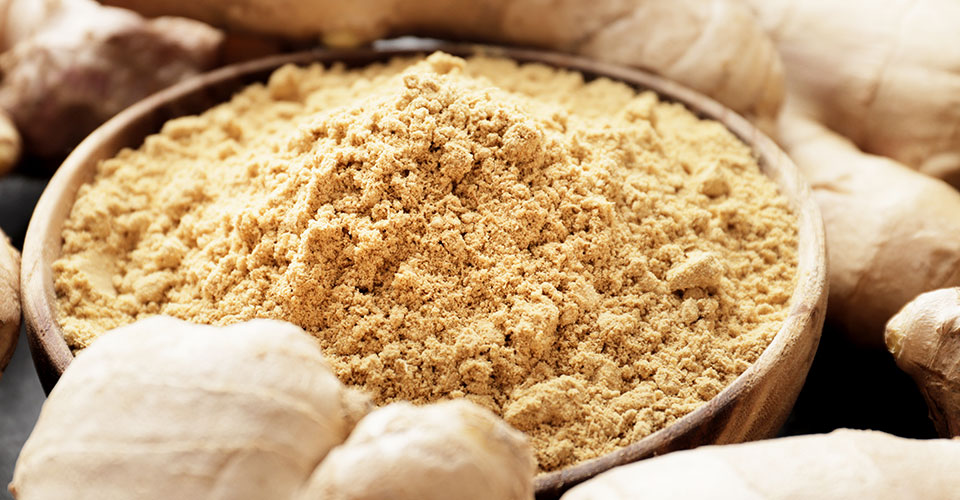
Ginger, whole or ground, is often a treasured spice during the holidays.
Dec. 11, 2025
By Pat Melgares, K-State Extension news service
MANHATTAN, Kan. – Whether it’s grated into a steaming soup or whisked into a batch of holiday cookies, ginger remains a workhorse ingredient in American kitchens.
But Kansas State University food scientist Karen Blakeslee says understanding how to store and use ginger can make a big difference in flavor and freshness – and maybe even personal health.
“Ground ginger is easy to find and can be stored at room temperature,” said Blakeslee, who is coordinator of K-State’s Rapid Response Center for Food Science. “It is best to use within one year for best flavor.”
Ginger is available in many forms, including fresh ginger root, dried ground ginger and crystallized ginger. Blakeslee said the flavor is described as citrusy, musty, soapy, pungent and bitter. Ground ginger tends to be less pungent than fresh ginger.
Fresh ginger is often used in soups, stir-fry, tea and fermented foods, such as kimchi. Ground ginger often is added to such foods as gingerbread, cookies and apple or pumpkin pie. Crystallized ginger is typically used in desserts, either as an ingredient or garnish.
“When left unpeeled, fresh ginger -- or ginger root – can be stored at room temperature for 1-2 weeks,” Blakeslee said. “But it is best to store it in an airtight container in the refrigerator to extend the storage to 4-6 weeks.”
She suggests that consumers purchase only what they need to help assure that the spice maintains its best flavor.
“Fresh ginger contains enzymes that can cause molding, become soft, discolor or develop off odors,” Blakeslee said. “These are signs of spoilage, and the product should not be used. Fresh ginger can be frozen up to three months for best quality.”
Aside from its culinary uses, ginger has been known to help with such digestive orders as nausea or gastrointestinal issues. “But consuming too much ginger can cause unwanted side effects,” Blakeslee said. “Also, some medications can react with ginger, so check with your healthcare provider before using ginger.”
To learn more about ginger, Blakeslee recommends information available online from the McCormick Science Institute.
Blakeslee publishes a monthly online newsletter, called You Asked It!, with numerous tips on food safety. More information also is available at local extension offices in Kansas.
***

K‑State Extension is a short name for the Kansas State University Cooperative Extension Service, a program designed to generate and distribute useful knowledge for the wellbeing of Kansans. Supported by county, state, federal and private funds, the program has county extension offices statewide. Its headquarters is on the K‑State campus in Manhattan. For more information, visit www.ksre.ksu.edu. K-State Extension is an equal opportunity provider and employer.