Kick-start spring by getting into the garden
K-State horticulture expert suggests gardening activities to kick the winter blues
At a glance: With warmer days in the near-term forecast, K-State horticulture expert Matt McKernan said work can begin on vegetables like peas and lettuce.
More information: Matt McKernan, hortsupport@ksu.edu
Related: K-State Horticulture Newsletter | Kansas Garden Guide
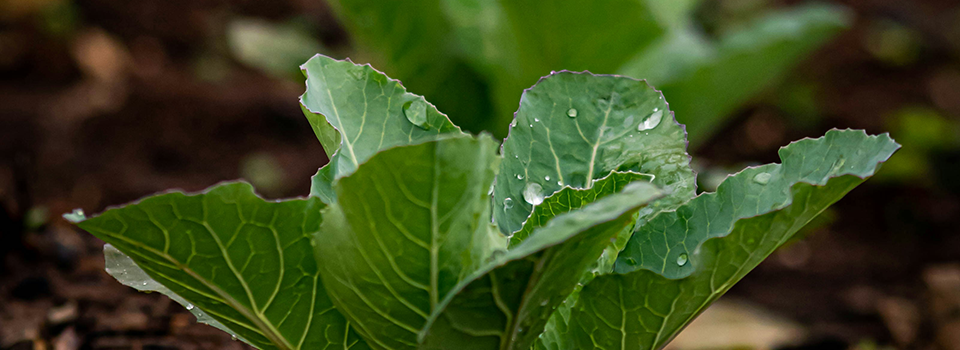
MANHATTAN, Kan. – With warmer days in the near-term forecast, many Kansans are eager to get back to gardening. Kansas State University horticulture expert Matt McKernan said early work can begin on vegetables like peas and lettuce.
“If you are tired of winter and hunger for spring, try planting peas as soon as the soil dries and the soil temperature reaches 40 degrees Fahrenheit,” McKernan said.
There are many varieties to choose from in Kansas. McKernan suggests early maturing varieties with resistance to powdery mildew.
“Early maturing types allow us to harvest a crop before the hot weather arrives and stops production,” McKernan said, adding that plant size should be a consideration when selecting varieties.
As for snow peas, commonly used in stir-fry, McKernan suggests Dwarf Grey Sugar and Mammoth Melting Sugar.
Sugar snap peas share a resemblance with shelling peas but have a thick, fleshy pod that can be eaten like snow peas, pod and all. Sugar Bon, Sugar Ann, Super Sugar Snap and Sugar Sprint are recommended by McKernan.
McKernan said peas should be planted shallow, about one-half inch deep to encourage rapid germination and emergence, and seeds should be spaced 2 inches apart in a row.
“Many people plant two rows 6-8 inches apart so the floppy plants can support one another,” McKernan said. “For some older varieties, this may not be enough. They may need trellising to support the growing vines. You might consider installing fence to keep rabbits away.”
Peas are not the only vegetable that gardeners can begin work on. McKernan said lettuce transplants can be started now.
“Though lettuce is most often planted outside directly from seed in late March to early April, it can be started inside from seed and later transplanted outdoors,” McKernan said. “Transplants allow lettuce to mature earlier so that it can harvested before the summer heat leads to a strong, bitter flavor.”
McKernan and his colleagues in K-State’s Department of Horticulture and Natural Resources produce a weekly Horticulture Newsletter with tips for maintaining home landscapes and gardens.
Interested persons can subscribe to the newsletter, as well as send their garden and yard-related questions to hortsupport@ksu.edu, or contact your local K-State Extension office.
***

K‑State Extension is a short name for the Kansas State University Cooperative Extension Service, a program designed to generate and distribute useful knowledge for the wellbeing of Kansans. Supported by county, state, federal and private funds, the program has county extension offices statewide. Its headquarters is on the K‑State campus in Manhattan. For more information, visit www.ksre.ksu.edu. K-State Extension is an equal opportunity provider and employer.