Adding a waterscape could improve your garden space
K-State horticulture expert says the presence of water in a natural space can benefit mental well-being
At a glance: Gardeners should consider accessibility, interactivity and maintenance when deciding how to incorporate a water feature into a landscape.
More information: Matt McKernan, hortsupport@ksu.edu
Related: K-State Horticulture Newsletter
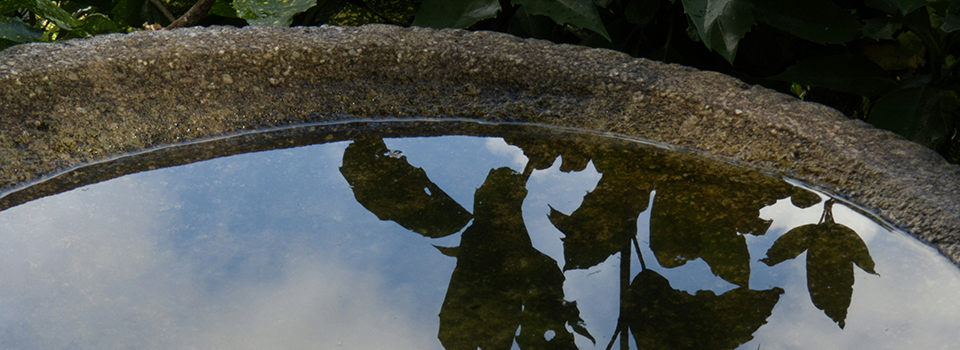
K-State horticulture expert Matt McKernan says the presence of water in a natural space can benefit mental well-being.
Feb. 26, 2026
K-State Extension news service
MANHATTAN, Kan. — Limited by space in your garden? Looking for a new project to enhance your space? Wanting to attract birds and pollinators to your garden?
Kansas State University horticulture expert Matt McKernan suggests adding a water element to the garden.
“Preliminary research suggests the presence of water in a natural space can benefit mental well-being. The sound of running water helps reduce noise pollution and provides a relaxing escape,” McKernan said. “Water attracts birds and other pollinators which also contribute to positive well-being. Whether a bubbling rock, pond or waterfall, sensory interests are piqued by waterscapes in the landscape.”
McKernan said water features don’t have to be large and complex, making it a great weekend project. They can be made from a simple container, water trough or large flower pot to hold water.
“There are myriad designs of fountains and ponds that will fit into any size garden,” McKernan said.
Consider accessibility, interactivity and maintenance when deciding how to incorporate a therapeutic water feature into your landscape, he adds.
“Though an isolated water feature can become a destination where visitors may venture to seek refuge, the feature loses efficacy if it is too inconvenient to access it,” McKernan said.
He recommends positioning a water feature close to pathways that are frequented regularly so more people can enjoy the benefits, also making it easier to monitor the feature for maintenance concerns. Locating the water feature near a water source will also help to minimize upkeep.
The sound created by the movement of the water creates a calming effect. Depending on the type of feature, it may be possible to allow play in the waterscape, McKernan said. Consider adding stepping stones up to the feature, but always consider safety and follow necessary precautions when adding a water feature to the landscape.
“Incorporating a water feature into the landscape will have limited benefits to wellbeing if it requires intense maintenance,” McKernan said. “Enter into this project with the understanding of the required maintenance and start small as you learn the basics. Don’t allow this therapeutic feature to become a stress-inducer.”
McKernan and his colleagues in K-State’s Department of Horticulture and Natural Resources produce a weekly Horticulture Newsletter with tips for maintaining home landscapes and gardens.
Interested persons can subscribe to the newsletter, as well as send their garden and yard-related questions to hortsupport@ksu.edu, or contact your local K-State Extension office.
***

K‑State Extension is a short name for the Kansas State University Cooperative Extension Service, a program designed to generate and distribute useful knowledge for the wellbeing of Kansans. Supported by county, state, federal and private funds, the program has county extension offices statewide. Its headquarters is on the K‑State campus in Manhattan. For more information, visit www.ksre.ksu.edu. K-State Extension is an equal opportunity provider and employer.