Wild mushroom hunting gains fans, but experts urge caution
K-State food scientist says proper identification and storage are key to safely enjoying foraged mushrooms
At a glance: K-State food scientist Karen Blakeslee says safety comes first when hunting for edible, wild mushrooms. Knowing which mushrooms are poisonous requires knowing what to look for.
More information: Karen Blakeslee, 785-532-1673, kblakesl@ksu.edu
Related: Rapid Response Center for Food Science
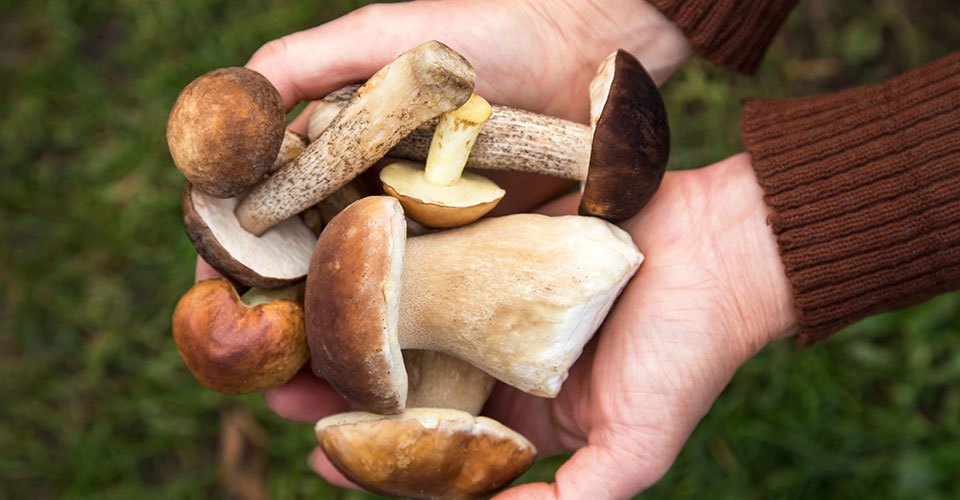
K-State food scientist Karen Blakeslee cautions that while some wild mushrooms are edible, others are poisonous. Knowing the difference is an important food safety step.
Mar. 11, 2026
By Pat Melgares, K-State Extension news service
MANHATTAN, Kan. — As spring rains coax morel mushrooms from the Kansas soil, interest in hunting wild mushrooms appears to be growing, but a Kansas State University food safety expert warns that foragers should proceed with caution.
Food scientist Karen Blakeslee, who is also coordinator of the Rapid Response Center for Food Science at K-State, said she has noticed the enthusiasm surrounding wild mushroom hunting, though it’s hard to quantify its popularity.
“But I know there are people who have secret locations to hunt for morel mushrooms,” she quipped, alluding to the common belief that avid hunters will not disclose their favorite hunting spots.
While the pastime can be rewarding, Blakeslee emphasized that safety must come first. Some wild mushrooms are poisonous, and telling the difference between edible and toxic varieties is not always simple.
“There are wild mushrooms that are poisonous, so knowing what to look for when foraging for wild mushrooms is important,” she said. “Some mushrooms may look very similar, but one variety may be safe, the other poisonous.”
Blakeslee noted that Kansans seeking reliable information should consult resources from the Kansas Department of Agriculture Wild Harvested Mushrooms website.
Proper handling after harvest is critical, she said. Mushrooms are highly sensitive to storage conditions and can spoil quickly if not handled correctly.
“Mushrooms are very sensitive to storage conditions,” Blakeslee said. “Do not store them in a plastic container (because) excess moisture can promote spoilage. A paper bag can cause them to dry out quickly. So it is best to use fresh mushrooms within 1-2 days.”
For those hoping to preserve their finds, Blakeslee said freezing or dehydrating are safe options when done properly using research-based guidelines. However, she cautioned against home canning wild mushrooms.
“There are no instructions to can wild mushrooms,” she said.
Perhaps most importantly, Blakeslee stressed that cooking methods will not make a poisonous mushroom safe to eat. Misconceptions persist that heat or dehydration can neutralize toxins, but that is not the case.
“Dehydrating or heating poisonous mushrooms will not destroy the harmful toxins they contain,” she said. “Therefore, accurate identification of edible wild mushrooms is important for the safest result.”
Foragers who are uncertain about a mushroom’s identity should err on the side of caution, Blakeslee said. When it comes to wild mushrooms, proper identification is the key ingredient for a safe and enjoyable harvest.
***

K‑State Extension is a short name for the Kansas State University Cooperative Extension Service, a program designed to generate and distribute useful knowledge for the wellbeing of Kansans. Supported by county, state, federal and private funds, the program has county extension offices statewide. Its headquarters is on the K‑State campus in Manhattan. For more information, visit www.ksre.ksu.edu. K-State Extension is an equal opportunity provider and employer.