In the Garden: New plant selection
Before planting, understand plant characteristics at maturity, says K-State expert
At a glance: K-State horticulture expert Matt McKernan urges gardeners to pick the right plant for the right place when filling voids in the landscape.
More information: Matt McKernan, hortsupport@ksu.edu
Related: K-State Horticulture Newsletter
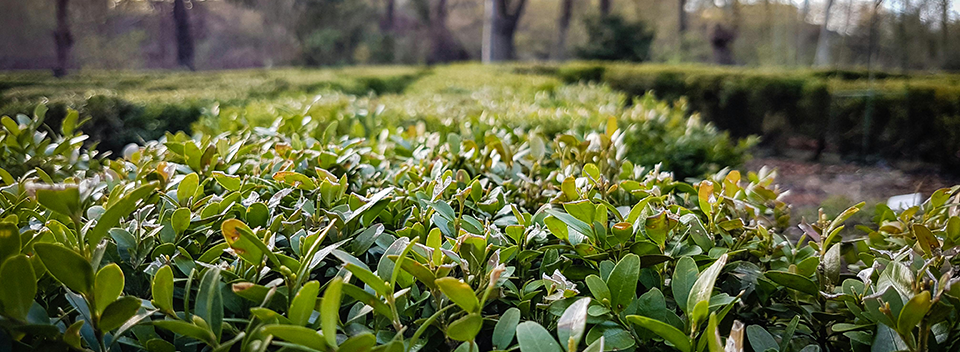
Before planting, determine if a plant will have space to mature in the desired location, says K-State horticulture expert Matt McKernan.
March 26, 2026
K-State Extension news service
MANHATTAN, Kan. — Choosing the right plant for the right place is crucial to introducing new plants in the garden this spring.
“Know the water needs of the plant and the water availability of your landscape,” Kansas State University horticulture expert Matt McKernan said.
Understanding the growth characteristics of the plant -- such as height and spread at maturity, rate of growth and thorns or fruiting habit -- helps set the plant up for success, McKernan added.
“Determine if those qualities will fit with the space you have available,” McKernan said. “A small, young tree may look nice planted in front of your home, but as it grows, will it block your view out the window? Will this still be a desirable location?”
In addition to size, McKernan stressed the importance of determining the plant’s disease resistance, cold hardiness, and light requirements.
“If we can pick a plant that is well adapted to the amount of sunlight, winter conditions and possible insects or diseases our garden may experience, then we pick a plant that will be lower maintenance and often more successful,” he said.
He notes that gardeners should consider what that plant will look like throughout the year. Look for plants that will bring multiple seasons of interest, such as spring or summer flowers, fall color, winter interest or repeat blooms.
“The more we intentionally select plants with multiple seasons of interest, the more dynamic our landscape becomes,” McKernan suggested. “We can also look for plants that benefit pollinators, birds and other wildlife, which may bring additional interest into our landscape.”
“Also reach out to your local extension office for recommended plant lists specific to your area. They will have lots of publications and plant recommendations that will be well adapted to the growing conditions of your local community.”
As you select new plants for the landscape, making informed decisions early in the landscaping process will save time and money.
McKernan and his colleagues in K-State’s Department of Horticulture and Natural Resources produce a weekly Horticulture Newsletter with tips for maintaining home landscapes and gardens.
Interested persons can subscribe to the newsletter, as well as send their garden and yard-related questions to hortsupport@ksu.edu, or contact your local K-State Extension office.
***

K‑State Extension is a short name for the Kansas State University Cooperative Extension Service, a program designed to generate and distribute useful knowledge for the wellbeing of Kansans. Supported by county, state, federal and private funds, the program has county extension offices statewide. Its headquarters is on the K‑State campus in Manhattan. For more information, visit www.ksre.ksu.edu. K-State Extension is an equal opportunity provider and employer.