Time to plant potatoes in Kansas
K-State horticulture expert shares tips for successful crop
At a glance: St. Patrick’s Day is the traditional signal to plant potatoes in Kansas, said K-State horticultural expert Matt McKernan.
More information: Matt McKernan, hortsupport@ksu.edu
Related: K-State Horticulture Newsletter
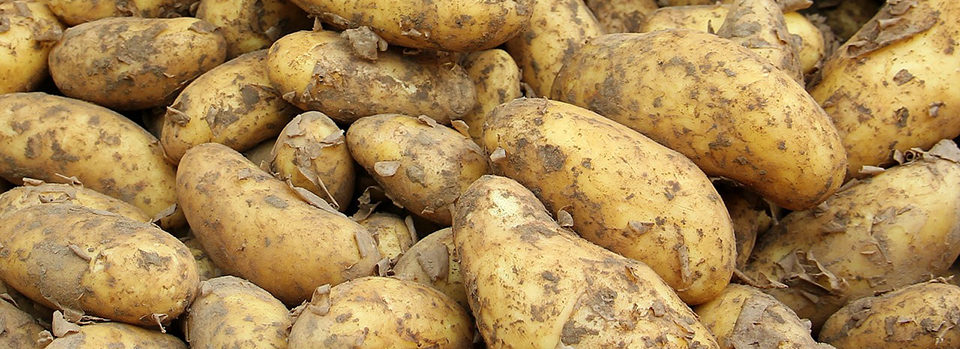
March 17 -- St. Patrick's Day -- traditionally signals the date for planting potatoes in home gardens.
March 5, 2026
K-State Extension news service
MANHATTAN, Kan. — For Kansas gardeners, St. Patrick’s Day means something much more than donning a favorite green outfit and heading to local celebrations.
Traditionally, the Irish holiday signals the date for planting potatoes.
“Actually, anytime from mid- to late-March is fine for potato planting,” said Kansas State University horticulture expert Matt McKernan, “as long as soil temperatures are above 45 degrees Fahrenheit.”
“Be sure to buy seed potatoes rather than using those intended for cooking. Potatoes from the grocery store shelves may grow but should be avoided as they often require a longer growing season, and result in a smaller harvest. Instead, look for seed potatoes that are certified disease free and have plenty of starch to sprout as quickly as soil temperatures allow.”
McKernan notes that most seed potatoes can be cut into four pieces – “though large potatoes may yield more,” he said. Each seed should weigh between 1 ½ to 2 ounces, and likely have more than one eye.
Each pound of seed potatoes should yield 8 to 10 pieces, according to McKernan.
“Cut the seed potatoes 2 to 3 days before planting so that freshly cut surfaces have a chance to suberize, or toughen, which provides a protective coating that prevents the seed pieces from rotting when planted,” McKernan said. “Storing seed in a warm, humid location during this time will speed the process.”
McKernan recommends planting each seed piece 1 to 2 inches deep and 8 to 12 inches apart in rows.
“Though it is important to plant potatoes in March, they emerge slowly,” he said. “It is often mid- to late-April before new plants poke their way through the soil. Protect plants from any late frosts that may occur. As the potatoes grow, pull soil up to the base of the plants. New potatoes are borne along the main stem of the plant, above the planted seed piece. It is also important to keep sunlight from hitting the new potatoes.”
McKernan said exposed potatoes will turn green and produce a poisonous substance called solanine. Keeping the potatoes covered with soil and out of direct sunlight while growing will prevent this.
McKernan and his colleagues in K-State’s Department of Horticulture and Natural Resources produce a weekly Horticulture Newsletter with tips for maintaining home landscapes and gardens.
Interested persons can subscribe to the newsletter, as well as send their garden and yard-related questions to hortsupport@ksu.edu, or contact your local K-State Extension office.
***

K‑State Extension is a short name for the Kansas State University Cooperative Extension Service, a program designed to generate and distribute useful knowledge for the wellbeing of Kansans. Supported by county, state, federal and private funds, the program has county extension offices statewide. Its headquarters is on the K‑State campus in Manhattan. For more information, visit www.ksre.ksu.edu. K-State Extension is an equal opportunity provider and employer.