Lawn maintenance should start now
K-State horticulture expert explains mowing frequency and height
At a glance: K-State horticulture expert Matt McKernan shares mowing, watering and fertilizing tips for spring.
More information: Matt McKernan, hortsupport@ksu.edu
Related: K-State Horticulture Newsletter
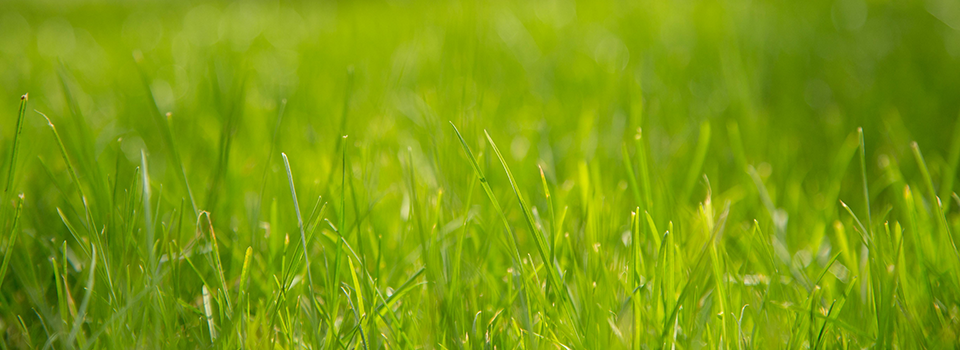
A healthy lawn by summer begins with important maintenance that begins in spring.
April 7, 2026
K-State Extension news service
MANHATTAN, Kan. — It is time to resume lawn maintenance as spring weather arrives and grass begins to grow more quickly.
Kansas State University horticulture expert Matt McKernan says proper maintenance is a proactive approach to reduce weed growth and other stresses to the lawn while minimizing costs and the environmental impact.
Mowing
The optimal mowing height for a home lawn depends on the type of grass, lawn use and time of year, McKernan said.
“Mow at the high end of the recommended range for each species to improve drought resistance by encouraging deeper roots,” McKernan said. “For tall fescue, Kentucky bluegrass, and buffalograss lawns, that will be a mowing height between 3-4 inches tall, and around 2.5 inches tall on zoysia and bermudagrass lawns. When mowing, only one-third of the grass leaf should be cut at a time.”
Lowering the mowing height and removing more leaf tissue results in physiological stress and an increased likelihood of weed issues. If the lawn has become overgrown and needs more than one-third removed it will need to be done gradually with a few days between each mowing.
“Mowing frequency should be based on the growth rate of the lawn,” McKernan said. He suggests not following a set schedule that may result in excessive clippings left on the grass.
“Proper timing of mowing means the grass clippings are shorter and can be returned to the
lawn,” McKernan said. “This contributes nitrogen and other nutrients back to the lawn.”
Long clippings can clump together, block sunlight to the live turf and promote disease, so they should be bagged and composted.
Maintaining a sharp blade on the mower is essential for a clean cut, McKernan added. He said a dull mower blade tears the grass and causes the tips to turn whitish.
“Mow using a different pattern each time to prevent soil compaction and turf wear from the mower wheels. The grass blades lean the direction of the mower’s path so changing the pattern each time allows the grass to stand more upright,” McKernan said.
Trees can be severely damaged if bumped by the mower, he warned. Even what appears to be a minor wound can result in death for the tree, so he recommends cultivating the soil surrounding trees and applying a mulch ring to prevent grass and weeds from growing up close to the trunk.
Watering
Apply water in the early morning, and wait as long as possible between watering, McKernan said. For most lawns, watering once every 7-10 days is sufficient for a lush, healthy lawn during the cooler weather of spring. Avoid nighttime watering, which promotes disease development.
“Some signs indicating that the turf needs water include darker bluish-green to silverish color, and when footprints remain in the lawn when someone walks across rather than leaf blades bouncing back in place,” McKernan said. “Soak the soil to a depth of 6-8 inches every time you water and wait for signs that more water is needed. Spring rains often further decrease the amount of irrigation we need to apply.”
Fertilizing
Wait until May for the first fertilizer application of the season. Fertilize only to maintain a moderately green color during favorable weather, and minimally or not at all during times of weather stress, McKernan said. Avoid fertilizing lawns in the early spring months, as this favors both weed growth and summertime disease issues.
Over-fertilizing increases the water and mowing requirements. McKernan suggests not fertilizing when heavy rain is expected, and always sweep excess fertilizer off sidewalks, driveways, and streets to prevent fertilizers from entering storm drains or sewers and polluting nearby water.
The timing of fertilizer applications should be based on turfgrass species:
- Fescue and bluegrass - September and November (optional slow-release fertilizer in May if the lawn is watered throughout the summer months).
- Bermudagrass and zoysiagrass – between May and August.
- Buffalograss – June.
McKernan and his colleagues in K-State’s Department of Horticulture and Natural Resources produce a weekly Horticulture Newsletter with tips for maintaining home landscapes and gardens.
Interested persons can subscribe to the newsletter, as well as send their garden and yard-related questions to hortsupport@ksu.edu, or contact your local K-State Extension office.
***

K-State Extension is a short name for the Kansas State University Agricultural Experiment Station and Cooperative Extension Service, a program designed to generate and distribute useful knowledge for the well‑being of Kansans. Supported by county, state, federal and private funds, the program has county extension offices, experiment fields, area extension offices and regional research centers statewide. Its headquarters is on the K‑State campus in Manhattan. For more information, visit www.ksre.ksu.edu. K-State Extension is an equal opportunity provider and employer.