Maximize garden space by growing vertically
K-State horticulture expert says a vertical garden offers many benefits in addition to needing less space
At a glance: K-State horticulture expert Matt McKernan said many crops can be grown vertically, including tomatoes, pole beans, and peas; as well as vining crops such as cucumbers, melons, squash and gourds.
More information: Matt McKernan, hortsupport@ksu.edu
Related: K-State Horticulture Newsletter
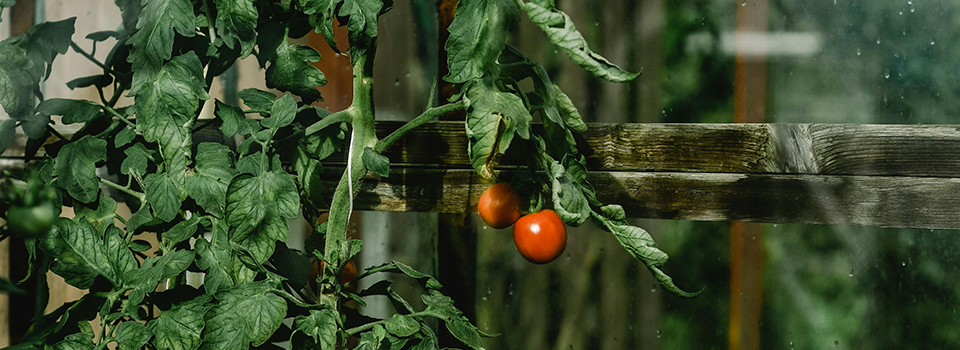
K-State horticulture expert Matt McKernan recommends growing vegetables vertically if space is limited.
April 9, 2026
K-State Extension news service
MANHATTAN, Kan. — Kansas State University horticulture expert Matt McKernan says home gardeners can expand garden space by taking it to the next level…literally.
McKernan said many crops can be grown vertically, including the more traditional tomatoes, pole beans, and peas as well as vining crops such as cucumbers, melons, squash and gourds.
“Elevating plants off the ground increases the air flow which can help prevent disease,” McKernan said. “Bringing the height of the produce up also makes harvesting easier.”
McKernan recommends edible-pod and snow peas because those crops have longer vines and are therefore more appropriate for growing vertically than English (shelling) peas.
“Not all vining plants will take to vertical gardening the same,” McKernan said, noting that some vining crops, such as beans and peas, will naturally climb vertically with minimal assistance, while other vining crops such as cucumbers, melons, squashes and tomatoes will need some training to grow vertically.
Bush-type vining crops produce short vines that are less suitable for vertical growth. McKernan suggests using loosely tied string, twine or clips around vine stems to assist plants in growing vertically.
“Be mindful of crops that grow large fruit as heavy produce could damage the vine if grown vertically,” McKernan added. “Plan to support the weight of fruit using mesh bags or other forms of support.”
Supporting your vertical garden with a sturdy structure is also important. McKernan suggests bamboo poles or T-posts in areas with strong winds.
“Create a pup tent or A-frame vertical garden structure by leaning two cattle panels or pallets together and securing them at the top. Alternatively, a single panel can be tied upright to T-posts for support. Plant vining crops at the base and train them to grow upward,” he said.
While trellises, cages and stakes are the most common ways to create vertical gardens, tower planters are also growing in popularity.
“When selecting a tower planter, make sure it holds ample soil for root growth, and allows for easy ways to provide water and fertilizer,” McKernan said. “Drought-tolerant herbs and spring leafy greens lend themselves well to tower planters.”
McKernan and his colleagues in K-State’s Department of Horticulture and Natural Resources produce a weekly Horticulture Newsletter with tips for maintaining home landscapes and gardens.
Interested persons can subscribe to the newsletter, as well as send their garden and yard-related questions to hortsupport@ksu.edu, or contact your local K-State Extension office.
***

K-State Extension is a short name for the Kansas State University Agricultural Experiment Station and Cooperative Extension Service, a program designed to generate and distribute useful knowledge for the wellbeing of Kansans. Supported by county, state, federal and private funds, the program has county extension offices, experiment fields, area extension offices and regional research centers statewide. Its headquarters is on the K-State campus in Manhattan. For more information, visit www.ksre.ksu.edu. K-State Extension is an equal opportunity provider and employer.