Kansas Wheat Tour reveals challenging conditions across the state
K-State specialists and wheat experts say drought, freeze damage and disease pressure raise concerns for the 2026 crop
At a glance: K-State specialists say the 2026 wheat crop is struggling across Kansas largely due to drought, freeze damage and wheat curl mite pressure.
More information:
Romulo Lollato, 785-532-0397, lollato@ksu.edu
Jeanne Falk Jones, 785-462-4281, jfalkjones@ksu.edu
Related: Agriculture Today
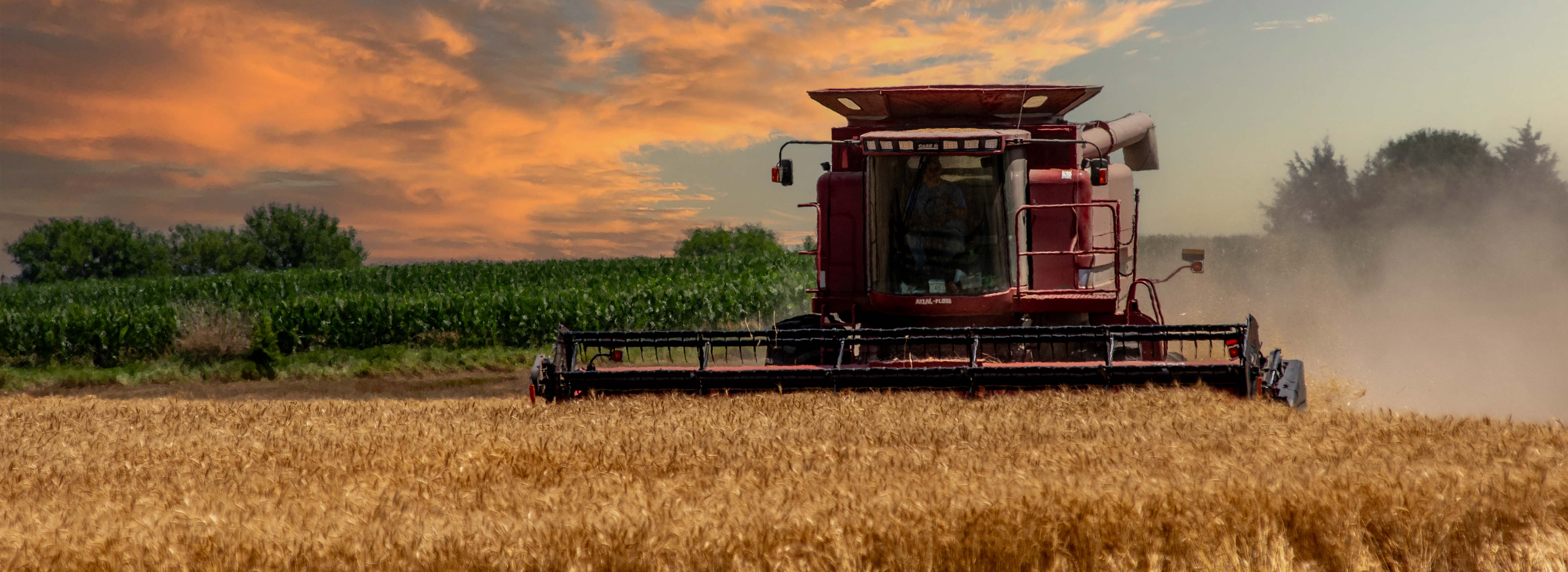
K-State specialists say drought, freeze damage and disease pressure have made it tough for wheat this year.
May 18, 2026
By Chevy-Lynn Vaske, K-State Extension news service
MANHATTAN, Kan. – What began with promising fall moisture has quickly shifted into one of the more difficult growing seasons Kansas wheat producers have faced in recent years.
During last week’s Kansas Wheat Quality Council Tour, agronomists, bakers, crop specialists and industry professionals traveled across the state evaluating wheat fields that are now showing the effects of prolonged drought, freeze damage and disease pressure, according to Kansas State University wheat production specialist Romulo Lollato and agronomist Jeanne Falk Jones.
Around 60 participants traveled six routes across the state, stopping at nearly 200 wheat fields from Manhattan to Colby during the first day of the tour to assess crop conditions and yield potential.
According to Falk Jones, the growing season began with generally favorable conditions before weather extremes created significant challenges for producers.
“Things started out well in the fall for the most part with decent moisture,” Falk Jones said. “Then we saw extremely warm temperatures starting early in January and February, followed by frost events, so it has been a challenge for the crop as a whole.”
Falk Jones emphasized that drought and freeze damage were among the biggest concerns seen across portions of Kansas during the tour. She also referenced the latest WASDE report, noting that continued hot and dry temperatures this week could further limit improvement in crop conditions.
Some areas of the state, she explained, have received less than one inch of precipitation since the beginning of the year. However, Falk Jones noted that timely rainfall could still improve yield potential in some fields.
Lollato said drought stress also contributed to an increase in crown rot observed across parts of the state this season.
“There was quite a bit of crown rot this year largely due to those drought conditions,” Lollato said, adding that evidence of wheat curl mite was also identified in parts of Kansas during evaluations.
Along the tour routes, participants had the opportunity to speak directly with producers about current field conditions. Farmers near Hoisington described this season’s wheat as the shortest crop they had seen since they began farming.
Several tour participants anticipated that some wheat fields may ultimately be abandoned, while some producers shared that insurance adjusters were already scheduled to evaluate fields this week.
Despite the ongoing challenges, agronomists noted that precipitation in the near future could still help portions of the Kansas wheat crop.
A longer discussion with Lollato, recorded while on the tour, is available on Agriculture Today.
***

K‑State Extension is a short name for the Kansas State University Cooperative Extension Service, a program designed to generate and distribute useful knowledge for the wellbeing of Kansans. Supported by county, state, federal and private funds, the program has county extension offices statewide. Its headquarters is on the K‑State campus in Manhattan. For more information, visit www.ksre.ksu.edu. K-State Extension is an equal opportunity provider and employer.