Thin fruit trees to promote years of bountiful harvests
K-State horticulture expert shares tips for fruit trees grown in Kansas
At a glance: Gardeners are encouraged to thin young fruit trees to reduce the risk of damage to branches, which promotes more bountiful harvests in future years.
More information: Matt McKernan, hortsupport@ksu.edu
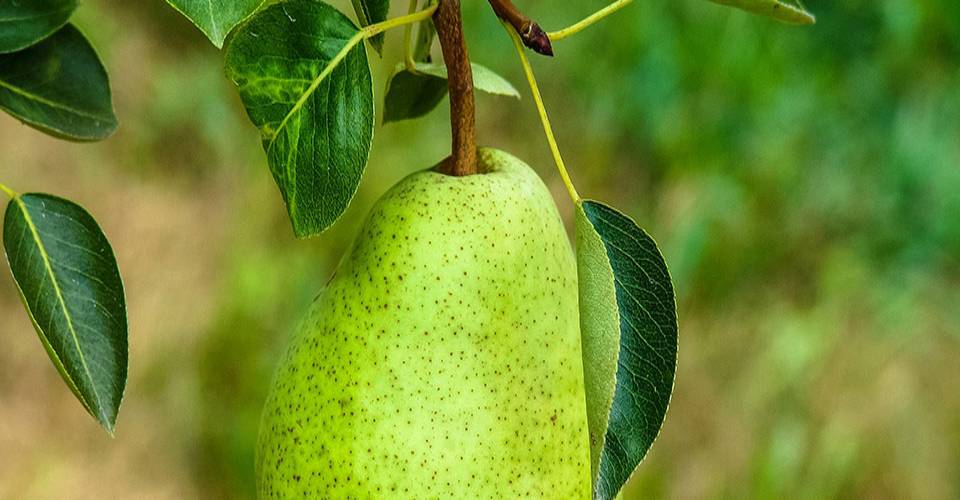
K-State Extension specialist Matthew Mckernan shares tips about growing fruit trees in Kansas.
May 15, 2026
K-State Extension news service
MANHATTAN, Kan. – It might be tempting to try to bring in a heavy fruit crop this summer, but if homeowner’s trees are young, it’s not such a great idea.
Kansas State University horticulture expert Matt McKernan said gardeners instead should be thinking about thinning fruit trees in favor of a bountiful crop in future years.
“Allowing young trees to produce a heavy crop can cause damage to the branches due to the weight,” McKernan said. “Too many fruit also reduce the size of the fruit this year.”
He shared guidelines for determining which fruit to thin and which to leave intact:
- Apples and pears. Leave 6-8 inches between fruit. Apples tend to produce fruit in clusters of five. Remove all but one fruit from each cluster. Leave the largest, healthiest fruit.
- Peaches. Leave 6-8 inches between fruit. Peaches tend to cluster together. The average space should be about seven inches apart.
- Plums and prunes. Space fruit 4-5 inches apart.
- Apricots. Space fruit 2-4 inches apart.
“Some fruit can be closer, but the recommended spacing will limit the amount of fruit on each branch, promoting individual fruit to grow larger and sweeter,” McKernan said.
He added that fruit can be removed by snipping it with clippers, or snapping the fruit stem with your fingers – being careful not to damage the branch. For best results, begin thinning when fruit reaches the size of a nickel.
“Cherry trees are the one fruit tree that are exempt from these rules,” McKernan added. “Cherries do not need to be thinned as fruit develop, but regular structural pruning for the tree is important.”
Tip blackberries, black raspberries and purple raspberries
McKernan said raspberries and blackberries have the same growing and fruiting habits. Their perennial root systems grow for several years; the canes are biennial – meaning that they live for two years.
“The first year’s canes are called primocanes and do not produce fruit,” he said. “In the second year, the primocanes become floricanes, which fruit and then die. Primocanes are produced each year, so plants have both types of canes present simultaneously.”
He adds that primocanes should be tipped when canes reach 2 to 3 feet high by removing the top 1-2 inches of growth. This promotes stronger canes, more lateral branching and overall more fruit the following year. Side branches should also be tipped when they reach 18 inches long.
“Tipping back canes at the correct time is critical for increasing next year’s harvest,” McKernan emphasized. “Tipping can result in a 3 to 5 times increase in yield.”
McKernan and his colleagues in K-State’s Department of Horticulture and Natural Resources produce a weekly Horticulture Newsletter with tips for maintaining home landscapes and gardens.
Interested persons can subscribe to the newsletter, as well as send their garden and yard-related questions to hortsupport@ksu.edu, or contact your local K-State Extension office.
***

K‑State Extension is a short name for the Kansas State University Cooperative Extension Service, a program designed to generate and distribute useful knowledge for the wellbeing of Kansans. Supported by county, state, federal and private funds, the program has county extension offices statewide. Its headquarters is on the K‑State campus in Manhattan. For more information, visit www.ksre.ksu.edu. K-State Extension is an equal opportunity provider and employer.