Rabbits in the garden?
K-State horticulture expert gives methods for effective protection
At a glance: K-State horticulture expert Matt McKernan shares tips on how to prevent rabbits from feasting on garden plants.
More information: Matt McKernan, hortsupport@ksu.edu
Related: K-State Horticulture Newsletter
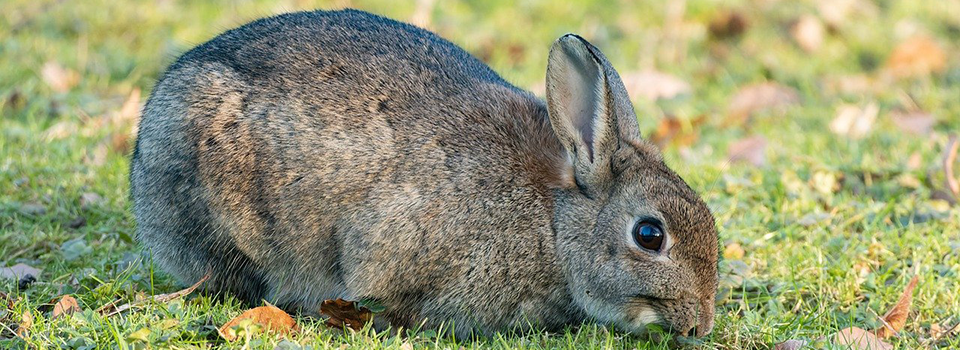
K-State horticulture expert Matt McKernan said live traps are usually recommended when a rabbit can be moved to a rural area several miles away from the homeowner's garden.
May 29, 2025
K-State Extension news service
MANHATTAN, Kan. — Rabbits are a common invader of home gardens, especially when plants flower in spring. Kansas State University horticulture expert Matt McKernan said there are many common-sense ways to keep the hungry critters out.
“This time of year, rabbits gravitate to young vegetables and flowers,” McKernan said. “But there are some vegetables that are rarely bothered, including potatoes, tomatoes, corn, squash, cucumbers and some peppers.”
McKernan said some methods for keeping rabbits away include:
Fencing
Fencing is often the quickest and easiest method of control. McKernan recommended the fence be at least two feet tall with a fine mesh of one inch or less. Fencing support can be provided by a variety of products, including electric fence posts. However, fencing may not be a viable choice based on the desired appearance of the garden.
Floating Row Cover
Floating row cover is a light woven material that can be placed over plants yet still allows light, water and air to come through.
“Though most often used to promote early growth by keeping plants warmer than normal, it can also help protect young plants from insects and wildlife,” McKernan said.
Repellants
Although commonly suggested for rabbit control, repellants must be re-applied frequently. Some can also be poisonous and cannot be used on plants intended for human consumption, McKernan warned.
Trapping
McKernan said live traps are usually recommended when the rabbit can be moved to a rural area several miles away from where they were initially caught.
“A number of baits can be used to entice the rabbit to enter the trap, including a tightly rolled cabbage leaf held together by a toothpick. However, rabbits often avoid baits if other attractive food is available.”
Sprinkler
A motion-activated sprinkler can be attached to a garden hose, releasing a short burst of water upon motion. McKernan suggests picking a product that advertises it can protect at least 1000 square feet: “Such products are available from Contech, Orbit and Havahart,” he said.
McKernan and his colleagues in K-State’s Department of Horticulture and Natural Resources produce a weekly Horticulture Newsletter with tips for maintaining home landscapes and gardens.
Interested persons can subscribe to the newsletter, as well as send their garden and yard-related questions to hortsupport@ksu.edu, or contact your local K-State Extension office.
Brand names mentioned in this article are for identification purposes only and are not intended to be an endorsement of any product.
***

K-State Extension is a short name for the Kansas State University Cooperative Extension Service, a program that generates and distributes useful knowledge to support the well-being of Kansans. Supported by county, state, federal and private funds, the program has county extension offices statewide. Its headquarters is on the K‑State campus in Manhattan. For more information, visit extension.ksu.edu. K-State Extension is an equal opportunity provider and employer.