Safety first: Prepare now for safe home canning this summer
K-State food scientist outlines tips to protect your family
At a glance: Canning has been around for more than two hundred years. The common thread among family traditions: preparation.
More information: Karen Blakeslee, 785-532-1673, kblakesl@ksu.edu
Related: K-State Rapid Response Center | Remaking Soft Jellies | You Asked It! food safety newsletter
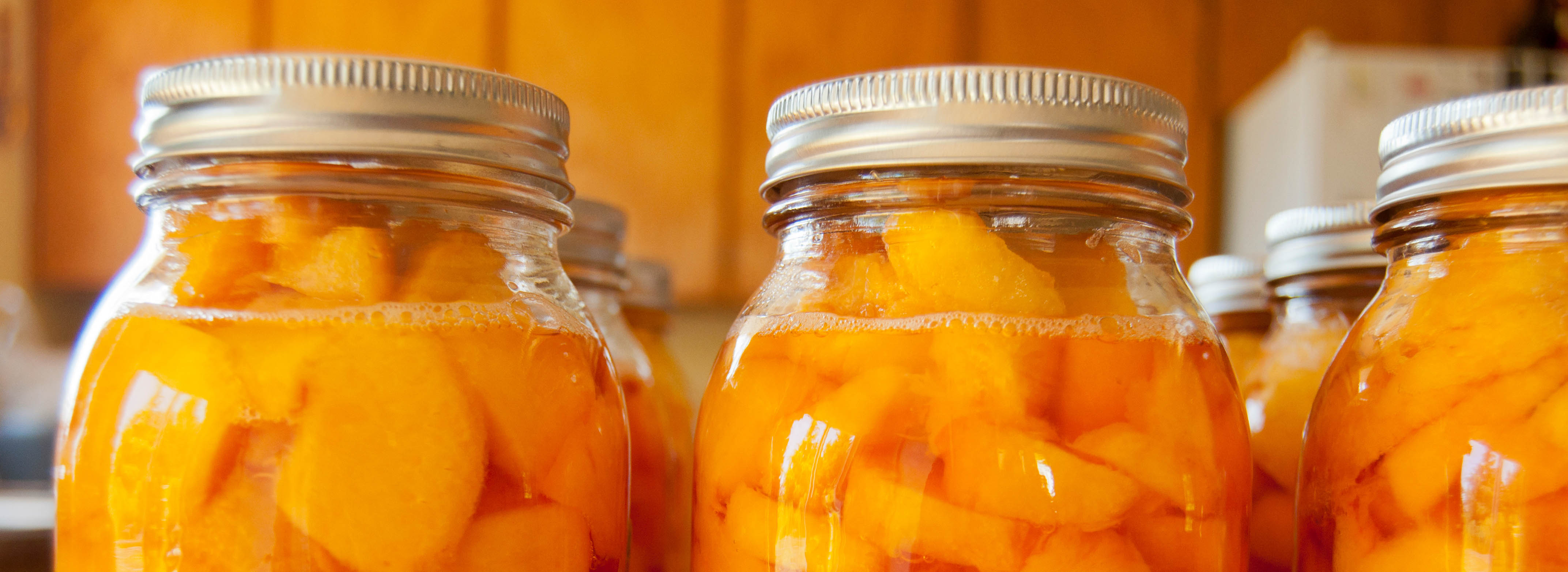
Preparation is key to safe canning at home this summer, says K-State food scientist Karen Blakeslee.
June 12, 2026
K-State Extension news service
MANHATTAN, Kan. – Canning, as a method of preserving food by placing foods in jars or cans and heating them to a temperature that destroys microorganisms that could be a health hazard or cause the food to spoil, has been around for more than two centuries.
Today’s methods often have been passed down and evolved through generations, but Kansas State University food scientist Karen Blakeslee says all have one thing in common: Preparation.
“Preparing now can help prevent problems when in the middle of canning,” said Blakeslee, who is also coordinator of K-State’s Rapid Response Center for Food Science.
Blakeslee’s list of tips include:
- Inspect equipment for parts that need replacing, such as rubber seals on pressure canners. Many parts can be ordered from the canner manufacturer.
- Canning jars can be reused, so check for cracks or scratches that could lead to broken or unsealed jars.
- Canning rings can be reused, but once they get rusty or corroded, they should be replaced.
- Canning lids can be used only once. Buy lids now.
Blakeslee said home canning parallels the garden harvest.
“So, in June, strawberries and cherries are available,” she said. “In July, green beans and other early vegetables are ready. In August, tomatoes and sweet corn are popular vegetables to preserve.”
A list of summer foods commonly available in Kansas gardens is available online from the Rapid Response Center for Food Science.
More tips
Blakeslee cautions against canning tips and recipes that are found online.
“Not all of them are safe or accurate,” she said. “Using untested or unsafe methods can increase the risk of foodborne illness, particularly botulism, a potentially fatal illness caused by improper canning practices.”
She encourages following tested recipes, or those proven by research to be safe. “By doing so,” she said, “you ensure safe preservation techniques that protect your health and prevent contamination by dangerous microorganisms.”
Most of all, she adds, “be smart about preserving food.”
“There’s a lot of work and time invested in home preservation, and the last thing you want is spoiled food in the end. If you need access to classes, contact your local extension office.”
Blakeslee said some states offer online classes at little to no cost. In addition, K-State’s Rapid Response Center for Food Science has published several videos, available online.
***

K‑State Extension is a short name for the Kansas State University Cooperative Extension Service, a program designed to generate and distribute useful knowledge for the wellbeing of Kansans. Supported by county, state, federal and private funds, the program has county extension offices statewide. Its headquarters is on the K‑State campus in Manhattan. For more information, visit www.ksre.ksu.edu. K-State Extension is an equal opportunity provider and employer.