Higher temps, humidity make lawns more susceptible to brown patch
Watering early in morning is one way to prevent fungus, says K-State’s McKernan
At a glance: As many parts of Kansas and the Midwest brace for summer weather – that is, warmer nights and higher humidity – homeowners may need to adjust their strategy for watering tall fescue lawns.
More information: Matt McKernan, hortsupport@ksu.edu
Related: K-State Horticulture Newsletter
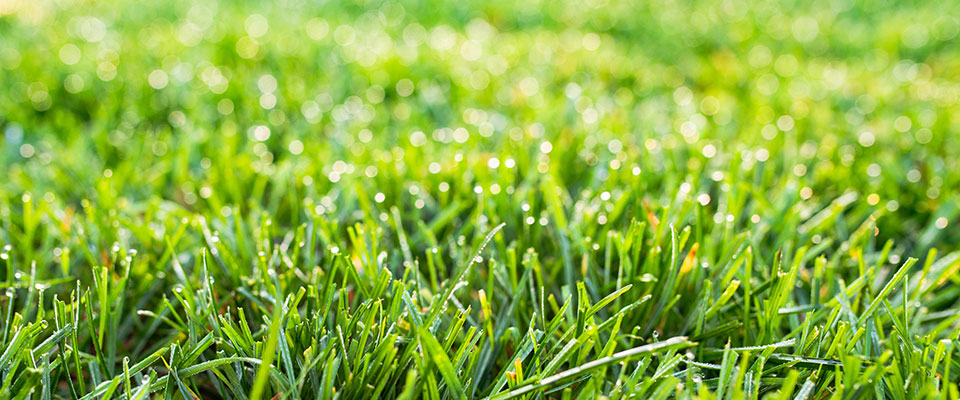
Watering early in the morning is one way to reduce the risk of brown patch in tall fescue lawns, says K-State horticulture expert Matt McKernan.
June 11, 2026
K-State Extension news service
MANHATTAN, Kan. – As many parts of Kansas and the Midwest brace for summer weather – that is, warmer nights and higher humidity – homeowners may need to adjust their strategy for watering tall fescue lawns.
Kansas State University horticulture expert Matt McKernan says summer’s weather patterns often mean the amount of time grass blades stay wet increases, making tall fescue lawns more susceptible to the disease, brown patch.
“Brown patch is primarily a leaf pathogen, but with a severe outbreak, the fungus can spread down into the crown and cause plant death,” McKernan said. “Brown patch is most active in July and August during warm, humid weather, however, when cooler weather returns, the turfgrass typically recovers within 2-3 weeks.”
The symptoms of brown patch can be similar to those of drought, McKernan said. “But if you look closer at the grass plants, around the edge of the symptomatic area, and if you notice tan spots with a dark halo, then you may have brown patch.”
The brown patch fungus is naturally widespread, surviving in soil. While it cannot be eliminated from the soil, the good news is that mulching infected grass clippings back into the lawn does not increase disease pressure, according to McKernan.
He offered these tips to reduce the lawn’s susceptibility to brown patch:
- Water in the early morning, rather then the evening, and only as needed. This decreases the number of hours the grass blades stay wet.
- Fertilize according to recommendations for your lawn. Never fertilize when brown patch is active. Avoid excessive fertilization and fertilizing in the early spring, as both practices increase a lawn’s susceptibility to disease.
- When seeding, follow recommended rates. Seeding too heavily leads to overcrowding and increased disease problems.
- Grass growing beneath trees does not dry as quickly. Use a mulch ring around trees so that grass is not growing beneath the canopy.
“Fungicides can be effective to prevent brown patch, though the most commonly used products are expensive and typically only available in large quantities,” McKernan said.
“These products will not cure already infected turfgrass, and instead must be applied preventatively and repeatedly, beginning in late June or early July through August. While fungicides are a helpful tool in managing disease, the routine care we provide our lawns is equally important in the fight against brown patch.”
McKernan and his colleagues in K-State’s Department of Horticulture and Natural Resources produce a weekly Horticulture Newsletter with tips for maintaining home landscapes and gardens.
Interested persons can subscribe to the newsletter, as well as send their garden and yard-related questions to hortsupport@ksu.edu, or contact your local K-State Extension office.
***

K‑State Extension is a short name for the Kansas State University Cooperative Extension Service, a program designed to generate and distribute useful knowledge for the wellbeing of Kansans. Supported by county, state, federal and private funds, the program has county extension offices statewide. Its headquarters is on the K‑State campus in Manhattan. For more information, visit www.ksre.ksu.edu. K-State Extension is an equal opportunity provider and employer.