Colorful Landscapes: K-State expert suggests summer plants that are resistant to heat and drought
Weather extremes often present difficult growing conditions
At a glance: As Kansas heads into another summer marked by heat and dry conditions, homeowners can still maintain colorful landscapes by choosing annual flowers that thrive in challenging weather
More information: Matt McKernan, hortsupport@ksu.edu
Related: K-State Horticulture Newsletter
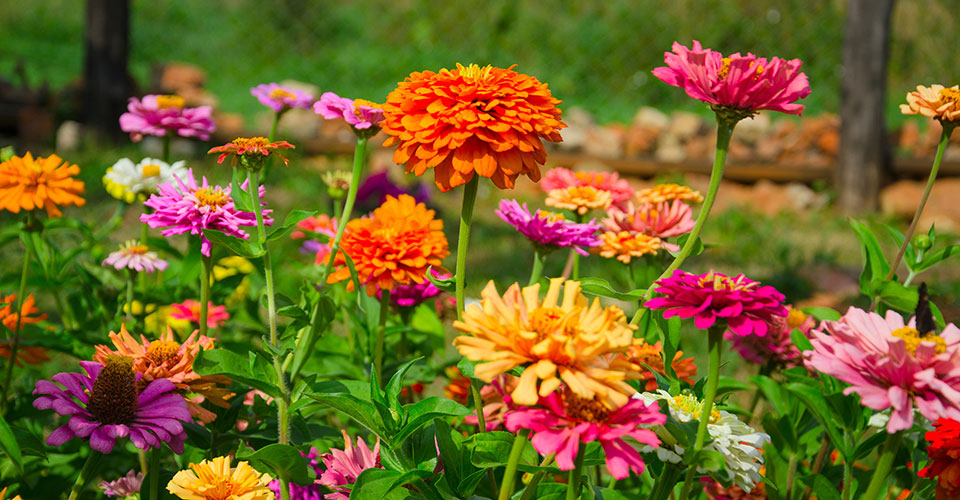
Zinnias are among the drought-tolerant annual flowers that can help to brighten Kansas landscapes.
June 4, 2026
By Pat Melgares, K-State Extension news service
MANHATTAN, Kan. — As Kansas heads into another summer marked by heat and dry conditions, homeowners can still maintain colorful landscapes by choosing annual flowers that thrive in challenging weather, according to a Kansas State University horticulture expert.
Matt McKernan said the state’s climate often presents difficult growing conditions for landscape plants.
“The Kansas climate throws numerous extremes at our landscape plants,” McKernan said. “Kansas summers are commonly filled with hot, dry conditions, and even periods of drought.”
McKernan said selecting annual flowers adapted to those conditions can help gardeners enjoy vibrant summer color while conserving water and reducing maintenance demands.
“With these environmental extremes, it is important to select annual flowers that thrive in hot, dry conditions in order to bring vibrant color to the landscape while also conserving water,” he said.
McKernan shared 10 suggestions for drought-tolerant annual flowers to plant this summer:
- Mexican Heather (Cuphea hyssopifolia)
- Lantana (Lantana camara)
- Pentas (Pentas lanceolate)
- Angelonia (Angelonia angustifolia)
- Annual Vinca (Catharanthus roseus)
- Ornamental Sweet Potato Vine (Ipomoea batatas)
- Zinnia (Zinnia angustifolia)
- Gomphrena (Gomphrena)
- Tall Verbena (Verbena bonariensis)
- Texas Primrose (Calylophus hybrid)
McKernan said many of these plants provide long-lasting blooms and continue performing well during stretches of intense summer heat. Others add texture and color through foliage, and most will attract pollinators such as butterflies and bees.
McKernan said gardeners can incorporate the annuals into flower beds, patio containers and mixed landscape plantings to add seasonal interest throughout the summer months.
“Be sure to keep in mind that all newly planted annual flowers will require supplemental water to get established,” McKernan said. “Once plants are well rooted, however, they will require less frequent irrigation.”
He adds: “By incorporating drought-tolerant selections into garden beds, containers and landscapes, gardeners can maintain seasonal beauty while promoting efficient water use and reducing overall maintenance.”
McKernan and his colleagues in K-State’s Department of Horticulture and Natural Resources produce a weekly Horticulture Newsletter with tips for maintaining home landscapes and gardens.
Interested persons can subscribe to the newsletter, as well as send their garden and yard-related questions to hortsupport@ksu.edu, or contact your local K-State Extension office.
***

K‑State Extension is a short name for the Kansas State University Cooperative Extension Service, a program designed to generate and distribute useful knowledge for the wellbeing of Kansans. Supported by county, state, federal and private funds, the program has county extension offices statewide. Its headquarters is on the K‑State campus in Manhattan. For more information, visit www.ksre.ksu.edu. K-State Extension is an equal opportunity provider and employer.