The heat is on: Staying safe in the hot Kansas summer
With heat and humidity on the rise in Kansas, here’s what you can do to keep yourself and others safe
At a glance: Hot and humid summer weather can pose serious health risks, particularly for older adults. K-State adult development and aging expert Erin Martinez shares practical tips on staying cool, hydrated and safe during extreme heat.
More information: Erin Martinez, erinmartinez@ksu.edu
Related: Sound Living
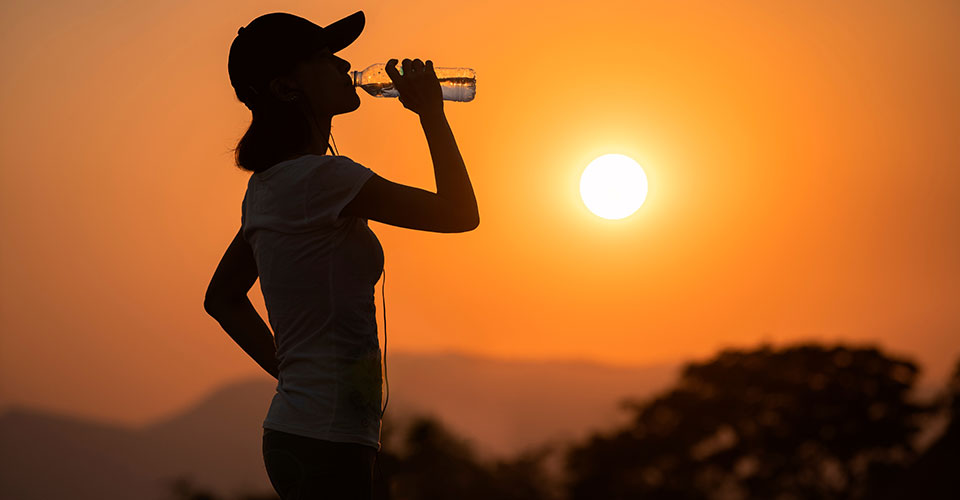
Beating the summer heat includes drinking plenty of fluids before you feel thirsty.
July 20, 2026
K-State Extension news service
MANHATTAN, Kan. – While longer days and warm sunshine can be enjoyable, the heat and humidity of a Kansas summer can also pose serious health risks — especially for older adults.
Kansas State University associate professor and extension specialist in adult development and aging Erin Martinez says there are important precautions to stay safe during the hottest months.
“As we get older, sometimes our bodies don’t regulate heat as well as they once did — including how much sweat we’re able to produce and how our heart rate responds. Older adults are also more likely to take medications that can impact how they manage the summer heat, ” Martinez said.
Listen to an interview by Jeff Wichman with Erin Martinez on the weekly podcast, Sound Living
Martinez encourages older adults to speak with their doctor or pharmacist about how their medication may affect their ability to handle heat.
“Some medications can increase your heart rate or make you less likely to sweat,” she said. “That impacts your body’s ability to regulate temperature.”
If outdoor activity is necessary, Martinez recommends avoiding it during the hottest part of the day — typically between 10 a.m. and 4 p.m.
“If you must go outside during the hottest part of the day, try to keep it limited to short periods of time,” she said.
To manage daily tasks like gardening or errands, Martinez suggests planning them for earlier in the morning or later in the evening when temperatures are cooler.
Although summer weather might inspire people to wear tank tops and shorts, Martinez recommends more protective clothing.
“Wearing a very thin, lightweight, loose long-sleeve shirt is really your best bet because it protects you from the sun,” she said.
Hydration is also key; it’s important to drink fluids regularly, not just when you feel thirsty.
“It’s really important with older adults that we encourage fluid intake and not wait until we’re totally dying of thirst to get a drink,” Martinez said. “Offering foods like watermelon or brothy soups that have high water concentration are different choices that can help with hydration.”
Martinez also notes that staying indoors during peak heat can reduce social interaction, which is vital for overall well-being. She encourages older adults to find alternative ways to stay active and connected.
“Utilizing your community facilities — a recreation center, library or doing indoor activities with friends — helps keep you interacting and learning new things,” she said.
As temperatures rise, Martinez reminds everyone to remember to check on neighbors, stay cool and help one another beat the heat.
***

K‑State Extension is a short name for the Kansas State University Cooperative Extension Service, a program designed to generate and distribute useful knowledge for the wellbeing of Kansans. Supported by county, state, federal and private funds, the program has county extension offices statewide. Its headquarters is on the K‑State campus in Manhattan. For more information, visit www.ksre.ksu.edu. K-State Extension is an equal opportunity provider and employer.