How to brace the garden to resist heat stress
K-State horticulture expert shares tips to protect plants
At a glance: K-State horticulture expert Matt McKernan cautions gardeners against over-watering as temperatures rise.
More information: Matt McKernan, hortsupport@ksu.edu
Related: Kansas Garden Guide | Horticulture Resource Center
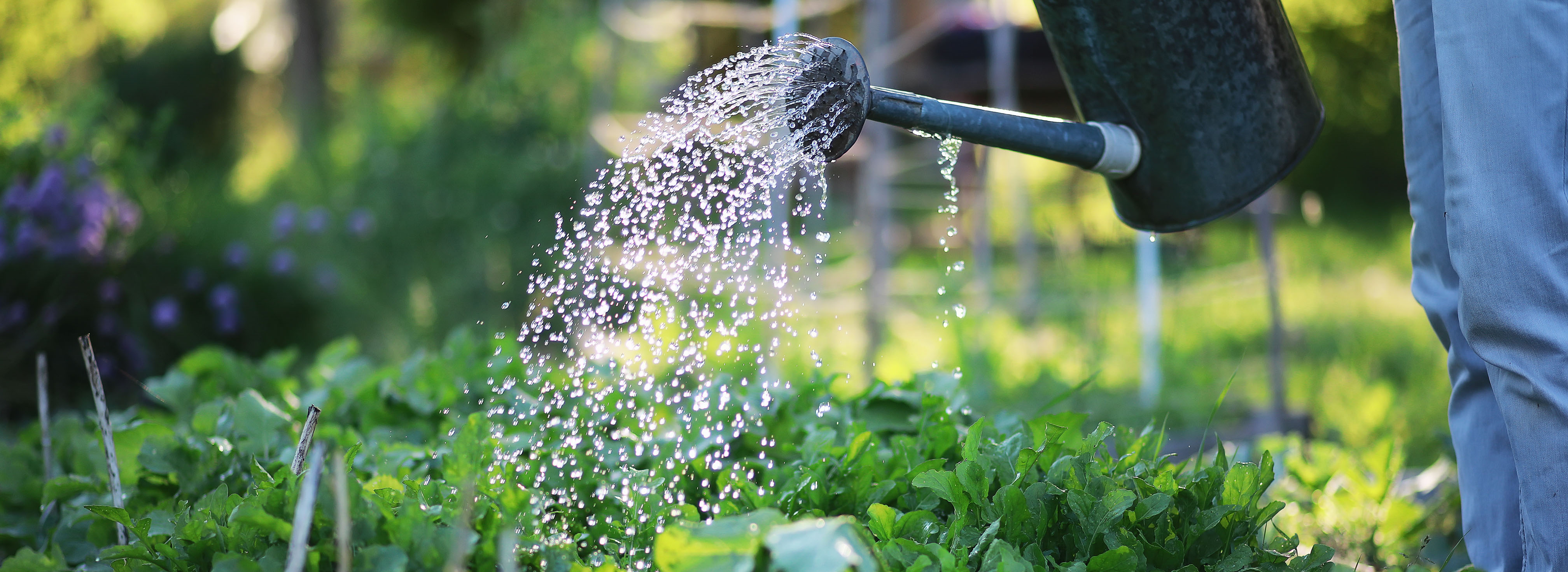
K-State horticulture expert Matt McKernan urges gardeners to avoid over-watering during a heat wave.
July 8, 2026
K-State Extension news service
MANHATTAN, Kan. — As Kansas temperatures rise, some garden plants will need to be protected, said Kansas State University horticulture expert Matt McKernan.
“It is tempting to automatically water plants on hot afternoons, but this is not always what's best,” McKernan said.
Vegetable gardens need about one inch of water per week, he said. During a heat wave (above 90 degrees Fahrenheit) it may be necessary to water daily, or every other day. This will be especially true if plant roots were compromised by flooding or other environmental extremes earlier in the growing season.
The type of soil and size of the plants will also greatly impact the amount of water needed.
“Before adding water to your garden, insert your finger 2-4 inches into the soil and check for moisture. If the soil is wet, hold off watering,” McKernan said.
To prepare plants in advance of a heat wave, consider adding two to four inches of mulch around the plants. Straw, shredded leaves, compost and grass clippings are all common choices for vegetable garden mulch.
“Mulching will help reduce evaporation from the soil and will regulate the soil temperature, keeping plant roots cooler,” McKernan said. “Make sure the plants are well-watered immediately after mulching and prior to the heat wave.”
If grass clippings are used as mulch, McKernan recommends ensuring they do not come from a lawn that was recently treated with herbicides, such as broadleaf weed killers or crabgrass control products. Grass clippings may also need to be mixed 2-3 weeks after application, in order to prevent clippings from becoming matted down and preventing water infiltration.
When watering, McKernan suggests watering as early as possible in the morning to reduce evaporation. Watering early also helps to prevent plants from drying out.
“Drip irrigation is ideal, but regardless of the method, avoid watering the leaves,” McKernan said. “Keep the source of water as close to the soil as possible. This not only increases the likelihood of the water reaching the plant’s roots but also helps to decrease the chances of disease.”
McKernan and his colleagues in K-State's Department of Horticulture and Natural Resources produce a weekly Horticulture Newsletter with tips for maintaining home landscapes and gardens. The newsletter is available to view online or can be delivered by email each week.
Interested persons can subscribe to the weekly newsletter, or submit their garden and yard-related questions, by sending email to hortsupport@ksu.edu. More information also is available at your local K-State Extension office.
***

K‑State Extension is a short name for the Kansas State University Cooperative Extension Service, a program designed to generate and distribute useful knowledge for the wellbeing of Kansans. Supported by county, state, federal and private funds, the program has county extension offices statewide. Its headquarters is on the K‑State campus in Manhattan. For more information, visit https://extension.ksu.edu. K-State Extension is an equal opportunity provider and employer.