Board Excellence Newsletter, July 2026

From the Director for Extension:

Administrative Updates
The first half of 2026 has been interesting. As many of you know, the State Finance Council passed our budget on June 3. This enabled us to receive the $21.5 million dollars that was temporarily withheld from us. While that is good news, the hard work is just beginning.
Here is a summary of what we need to do:
Provide greater accountability: We need to further demonstrate that we are a great investment of public dollars.
Increase our relevance: We need to show that we are responding to Kansas issues in a timely, nimble and effective manner.
Be true to core: We need to ensure that while we are serving Kansans in various ways, we remain true to our core programmatic areas of agriculture and natural resources, 4-H youth development, family and consumer sciences, and community vitality.
Some of our response to these concerns will be to:
- We will be emphasizing programmatic reviews more closely to ensure that local units and departments are delivering on needs and that the extension appointments are invested appropriately.
- We will continue to encourage more districting and multicounty partnerships. This increases our opportunity to increase our relevance through expertise specialization.
- We will be developing an expanded regional specialist network based on regional need to ensure that expertise gaps can be addressed in a more nimble and rapid fashion.
We will not be able to do this overnight. What can you as board members do in the meantime? As always, the best thing you can do is to make sure that our agent teams are effectively meeting the programmatic needs of the Kansans your local unit serves.
Second, please make sure your agents are recording your local unit’s impact and communicating that impact to your stakeholders, especially elected officials.
Regarding communicating with elected officials, this year we will be developing and implementing new ways of advocating to elected officials. We will need your local unit’s help in implementing these exciting new advocacy opportunities. Our agents and specialists will be learning about these at our August 3 Extension Update, and you will be able to learn more about them at our August 13 Partnership Meeting.
 K-State Increases Appropriation to Local Units
K-State Extension administration is pleased to announce a 1% increase to the state’s salary contribution rates for local units.
For the first two positions in each county (or corresponding number of counties in a district), the value of the state’s contribution has increased to $20,488.
Additional positions appropriated to local units will receive $12,662 per agent.
Agent positions that are fully funded by the local unit will continue to receive $1,500 per agent.
The new contribution rates begin in July 2026, so the funds will accumulate in local units' accounts until raises are given, normally in the next calendar year. These figures can be used to build 2027 budgets.
Contact Chris Onstad, associate director for extension field operations, with questions.

Risk Management at County Fairs
Risk management plays a critical role in every activity we conduct, especially during large public events like county fairs. As extension professionals and partners, we share a responsibility to protect participants, volunteers and the public from unnecessary risk.
A well-developed risk management plan ensures that potential hazards have been identified, evaluated, and addressed before the event begins. While we strive to prevent incidents, having a plan in place allows us to respond quickly and effectively, minimizing impact should something occur.
One simple but powerful step is to hold a risk management discussion before the fair. Bringing together extension staff, board members and fair board representatives ensures everyone understands the plan and is aligned in their roles and responsibilities. This shared understanding strengthens our ability to host safe, successful events.
K-State Extension provides a variety of risk management resources, including a board leadership module that can support your planning efforts.
https://www.ksre.k-state.edu/about/extension-board-resources/board-leadership-modules.
Taking advantage of these tools can help ensure your team is prepared and confident heading into fair season.

Recruiting Board and PDC Members
Building a good board is about more than just filling slots. It is about finding leaders who have skill sets and perspectives that align with our organization’s mission.
Now is a great time to think about potential turnover on your board and program development committees, and about those who might be qualified to fill those slots. An important factor in the sustainability and efficiency of your local unit is getting highly qualified and enthusiastic volunteers to serve on the board and program development committees (PDC).
Overwhelmingly, people want to serve on boards of organizations that make a difference. Identifying the right leaders to serve is essential for success.
The Recruiting Board and PDC Members module is a great tool to help your board explore characteristics of high-quality board members and where you might find them in your community. When boards and PDCs are representative of the community, they are more likely to offer and design extension programs that meet the needs of all community members. Having boards and PDCs that reflect the demographics of the local community is a vital part of civil rights compliance.
As you recruit new members, be clear about the role of the board and what the expectations of being a board member are. Refer to the Extension Board Member Position Description (PDF), which provides a comprehensive set of expectations, qualifications, and time commitment necessary for the position.
 Onstad and Chandler to Retire
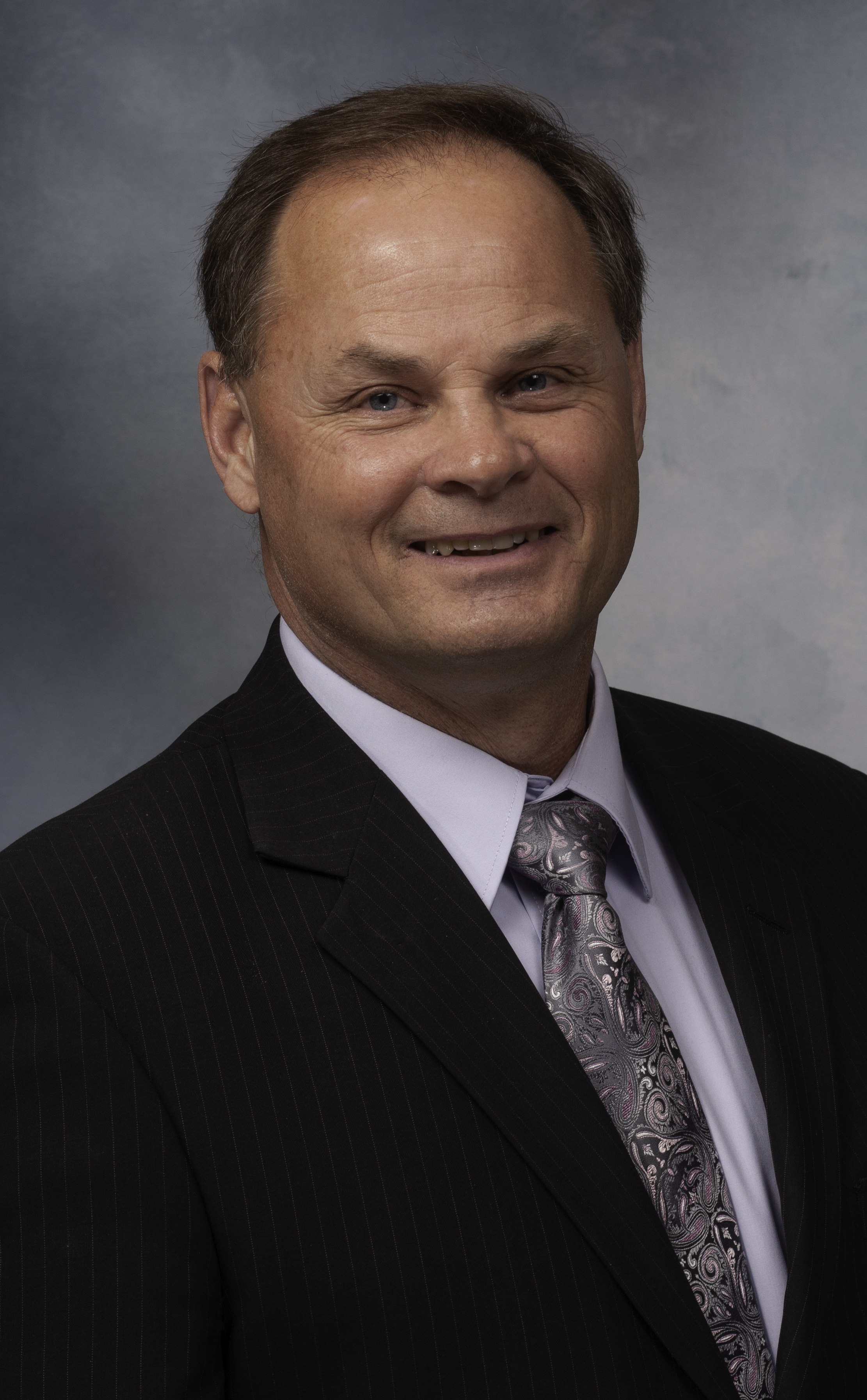
Chris Onstad will retire from K-State Extension on Sept. 12. Chris started his career with Montana State University Extension in August 1995 as an ag and natural resource agent. In 2001, he became a regional director for the South Dakota State University Extension system. SDSU was also the institution for his undergraduate degree in agronomy.
In December 2006, Chris became the Northwest Area director located in Colby, followed by a transfer to the Northeast Area director until 2021, when he assumed the role of Associate Director-Field Operations.
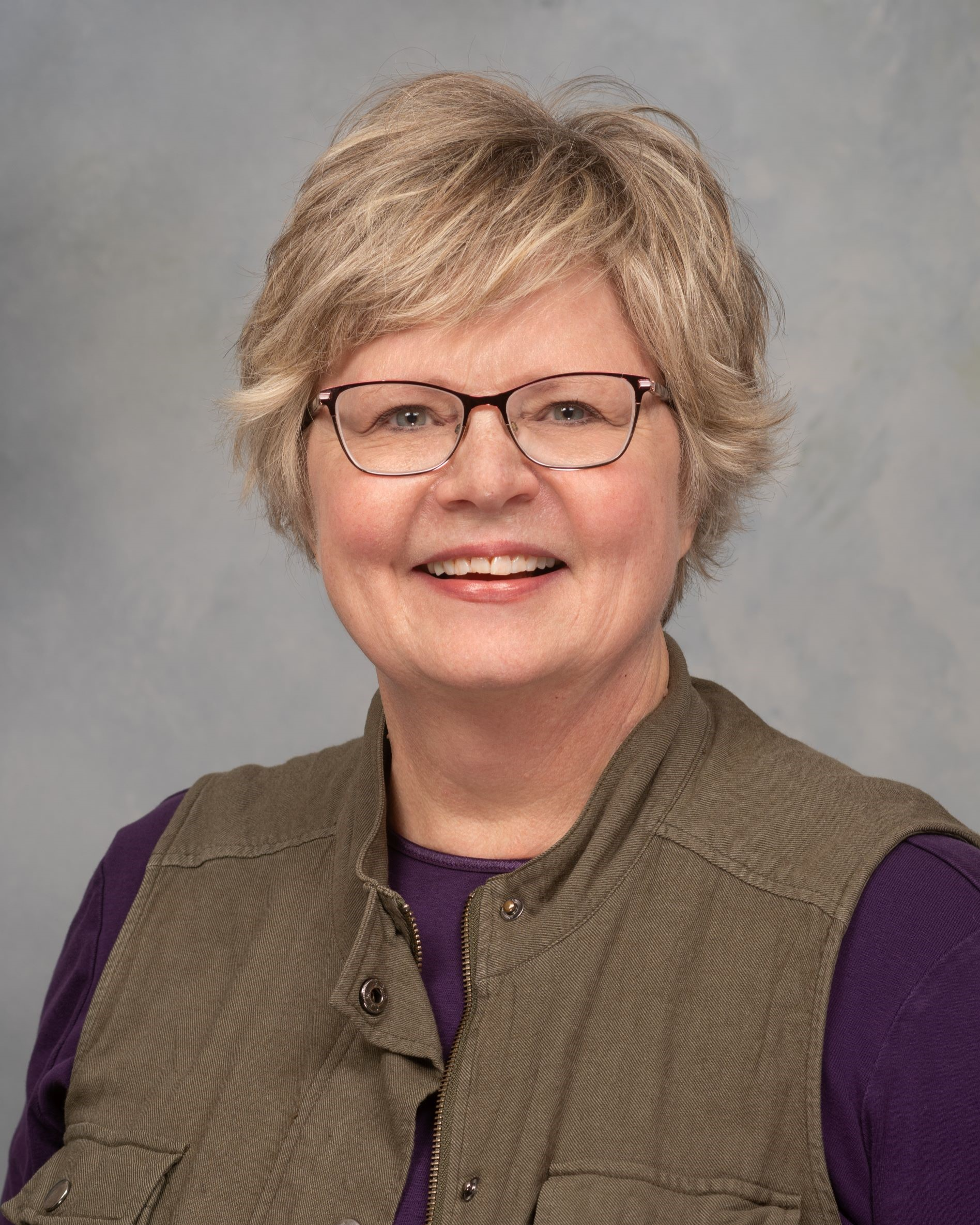 Laurie Chandler will retire on Aug. 14. Since 2015, Laurie has served as the Associate Program Leader with responsibilities for state and federal reporting, new agent onboarding and board leadership training and resources.
Laurie joined K-State Extension in 1993 as the 4-H Youth Development and Family and Consumer Sciences agent in Shawnee County. In 1996, she became the Shawnee County director and served in that position for nearly 20 years. Prior to joining K-State Extension, she served for eight years as a family economics specialist with the University of Missouri Extension.
Partnership Meeting